
NIOS Class 10 Social Science 213 Question Paper – Set A & Set B Detailed Analysis (October 2025)
The NIOS Class 10 Social Science 213 Question Paper of October 2025 clearly reflects how NIOS expects students to understand concepts instead of memorising answers. Both Set A and Set B test History, Geography, Civics, and Economics in a balanced way. This analysis helps you understand the paper pattern, topic weightage, and what really matters for preparation in 2026.

This content is prepared after carefully analysing both question paper sets, line by line, keeping the NIOS marking approach and student difficulties in mind.
Quick Overview of NIOS Class 10 Social Science 213 Question Paper (October 2025)
| Topic Cluster | Expected Mark Range | Why It Matters |
|---|---|---|
| Algebra (Identities, Equations) | 18–22 Marks | Direct Questions, Low Thinking Load |
| Geometry (Triangles, Circles) | 15–18 Marks | Step-Based, Marks For Method |
| Mensuration | 10–12 Marks | Formula Application Is Easy If Practised |
| Coordinate Geometry | 6–8 Marks | Graph Accuracy And Method Clarity |
| Statistics & Probability | 8–10 Marks | High Return, Low Effort Topics |
| Trigonometry (If Applicable) | 8–10 Marks | Repeated Identity Patterns |
This overview applies equally to NIOS Social Science 213 Question Paper Set A and Set B.
Table of Contents
- Exam Context: Why This Paper Matters for 2026
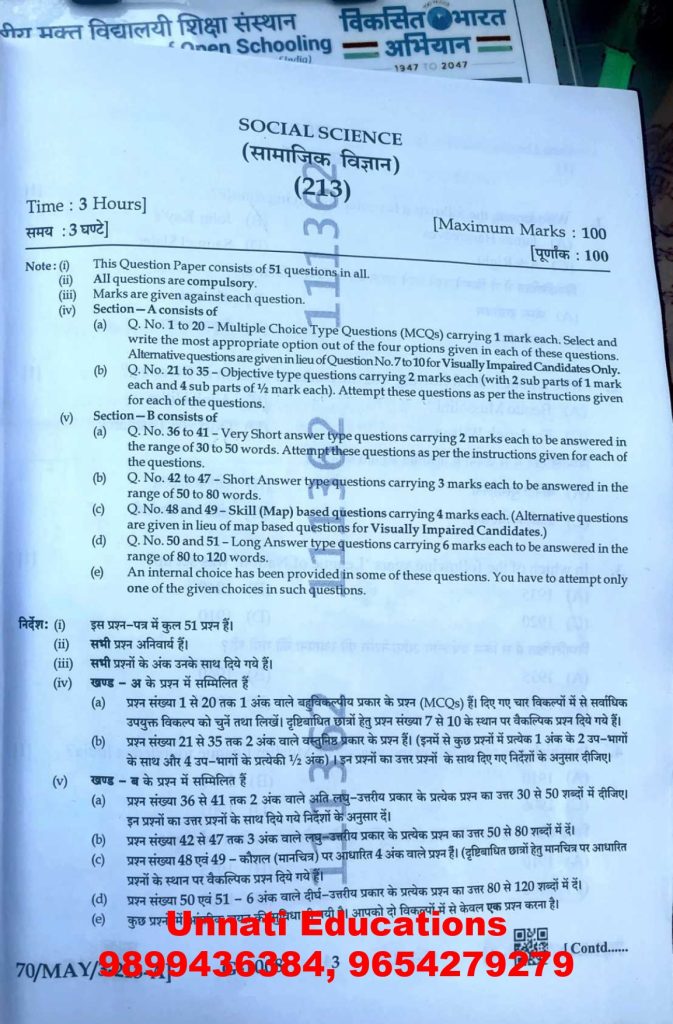
- Structure of the NIOS Class 10 Social Science Question Paper
- Section-wise Paper Pattern Explained
- Comparison of Set A and Set B – What Changed and What Did Not
- Subject-wise Topic Coverage Overview
- History Section Analysis (Set A vs Set B)
- Geography Section Analysis (Set A vs Set B)
- Civics Section Analysis (Set A vs Set B)
- Economics Section Analysis (Set A vs Set B)
Exam Context: Understanding the NIOS Social Science Question Paper
The NIOS Class 10 Social Science Question Paper is designed to test how well students connect real-world situations with textbook concepts. Unlike traditional boards, NIOS focuses less on rote learning and more on explanation, reasoning, and clarity of thought.
Both Set A and Set B follow the same blueprint. The difference lies only in question framing, not in difficulty level or syllabus coverage. Students who understand concepts properly would find both sets equally manageable.
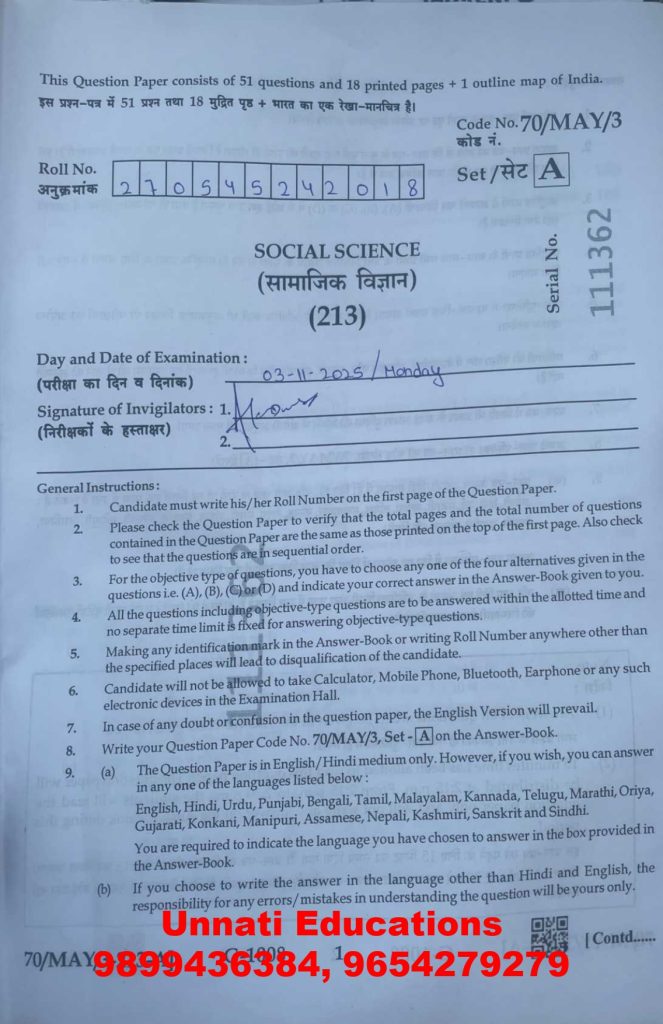
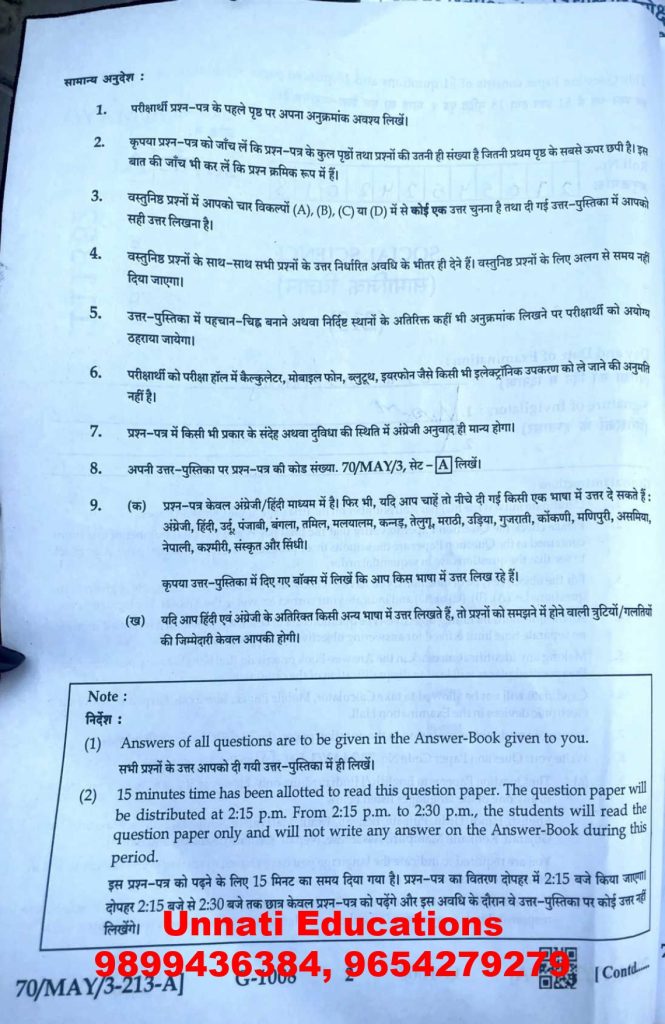
NIOS Class 10 Social Science 213 Question Paper Solution Download – Set A
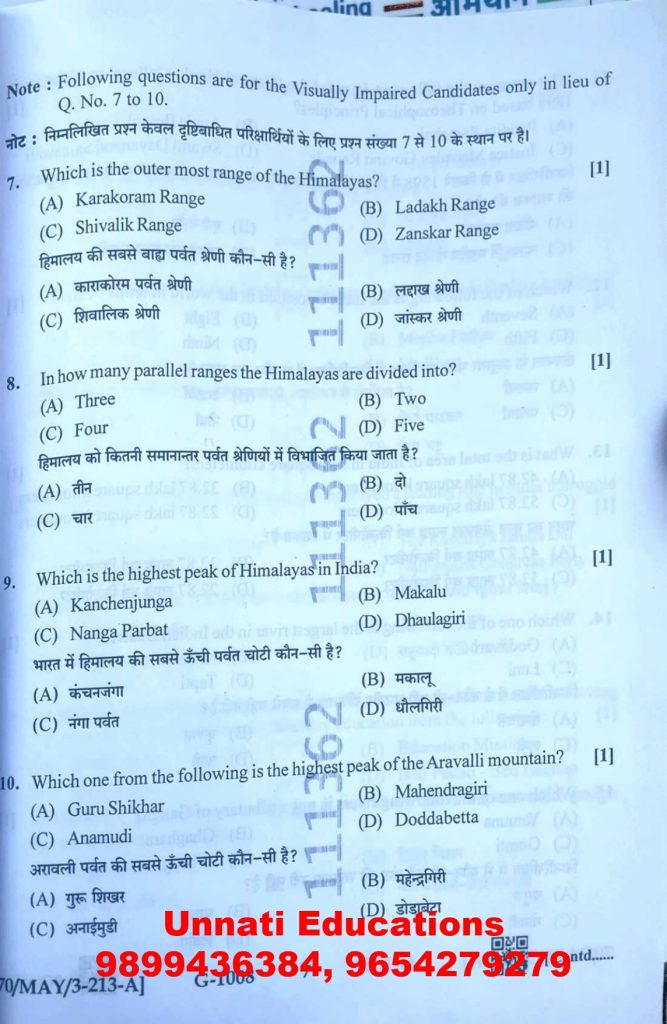
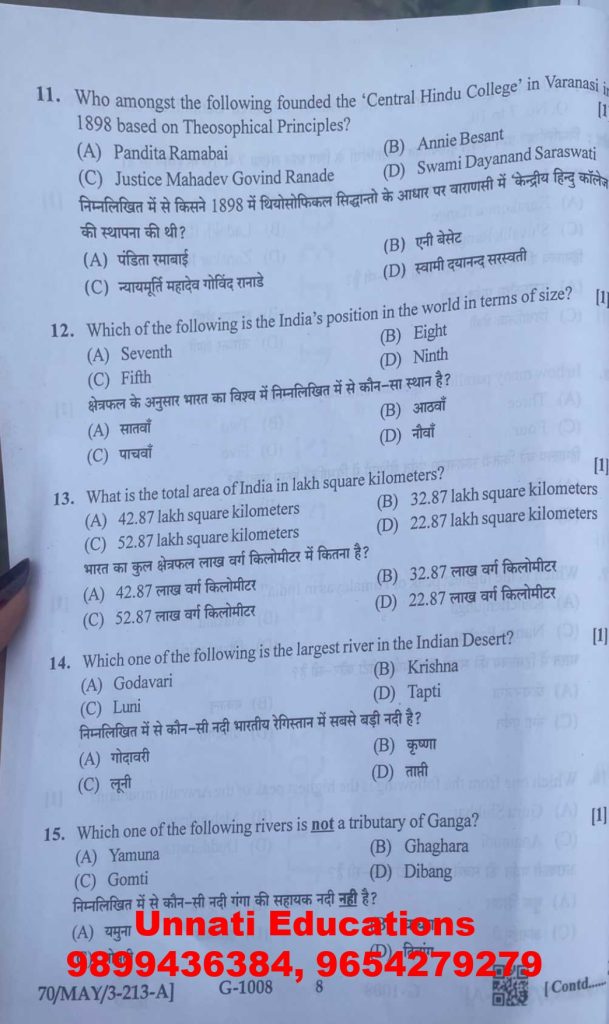
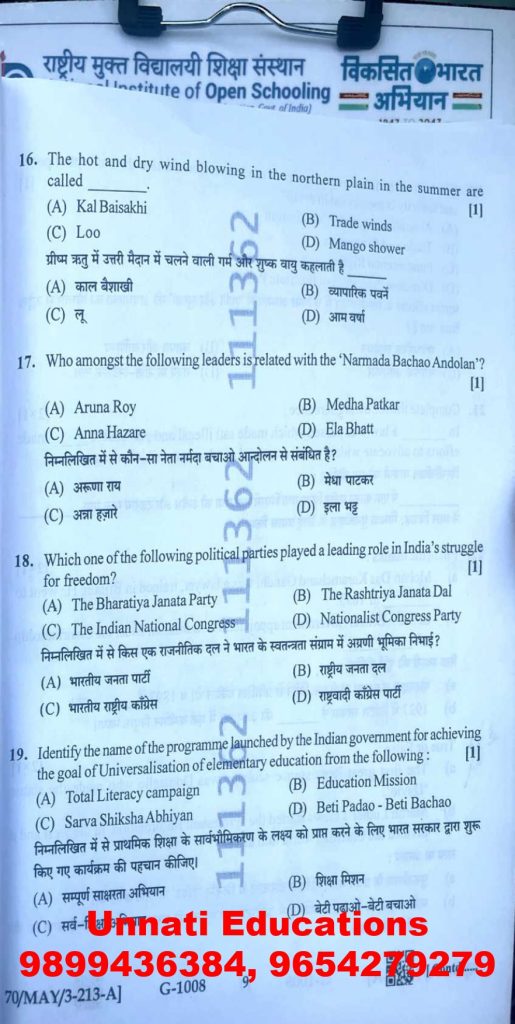
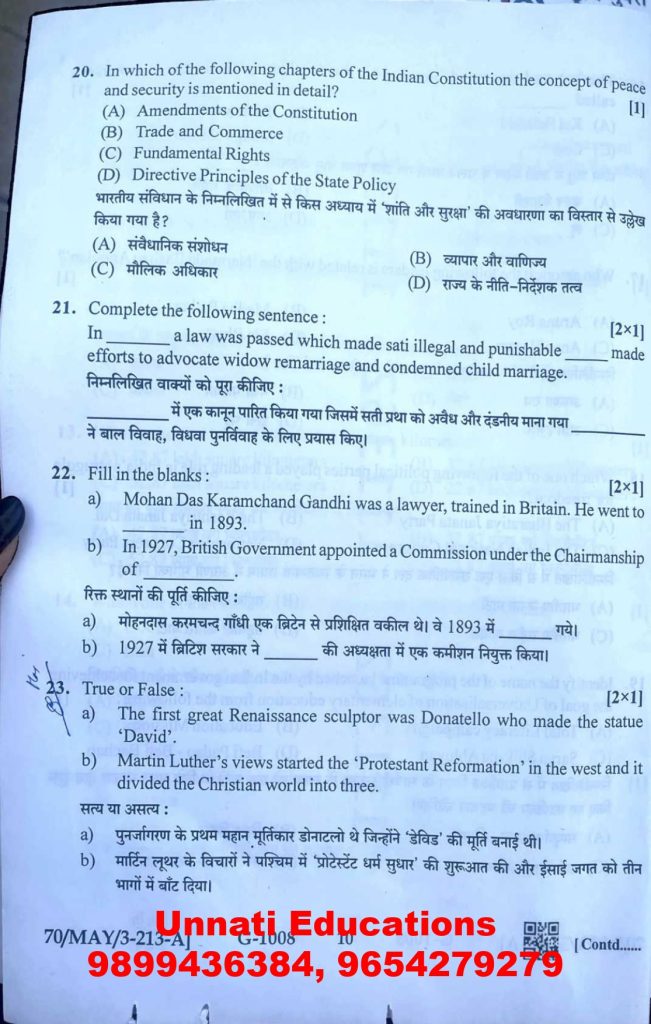
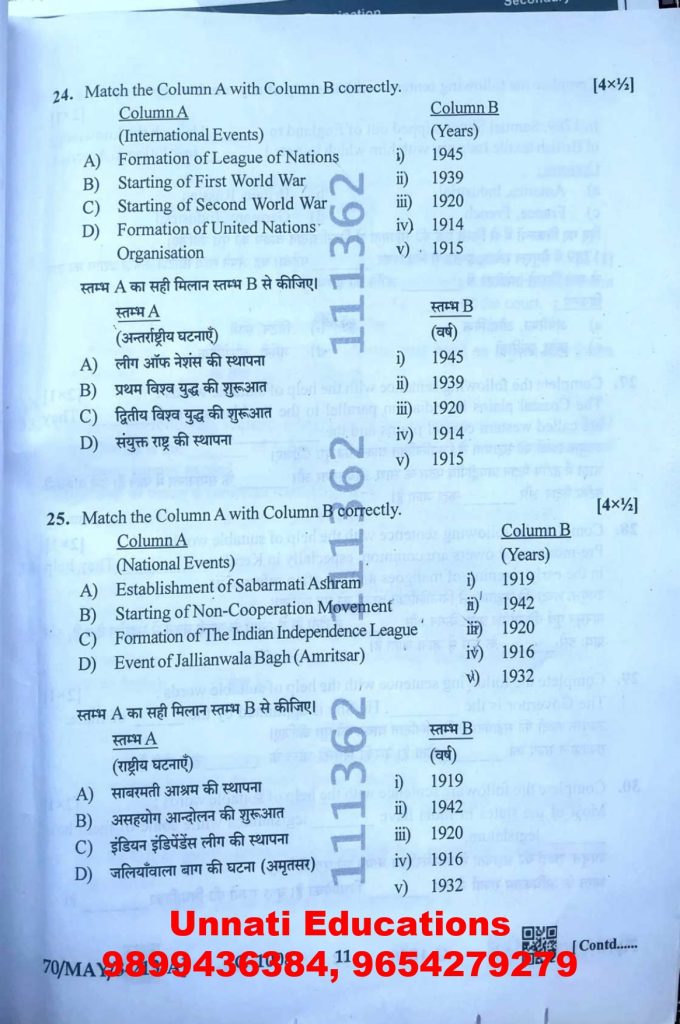
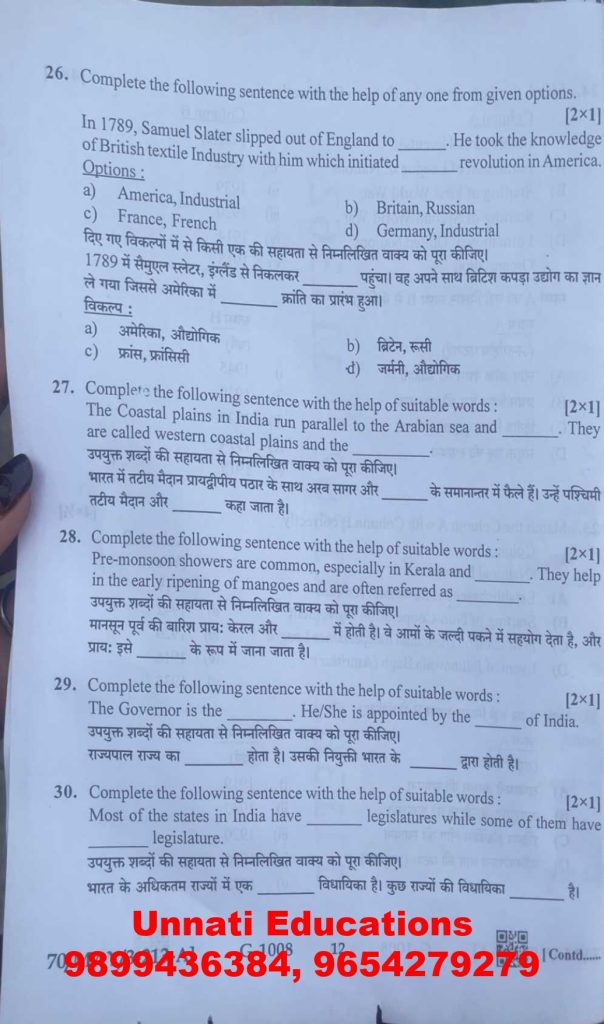
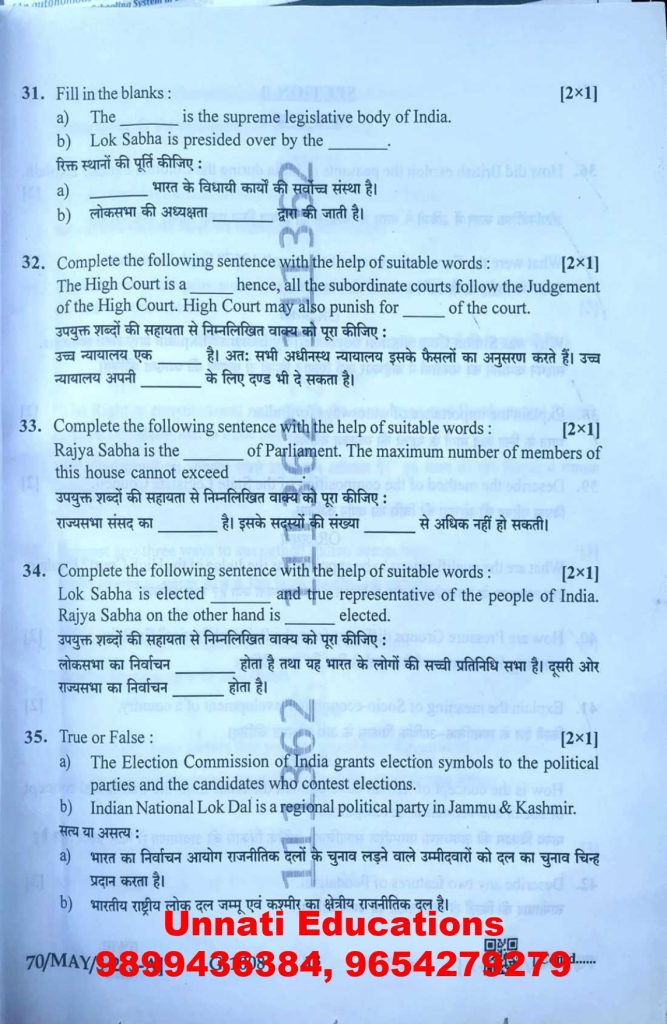
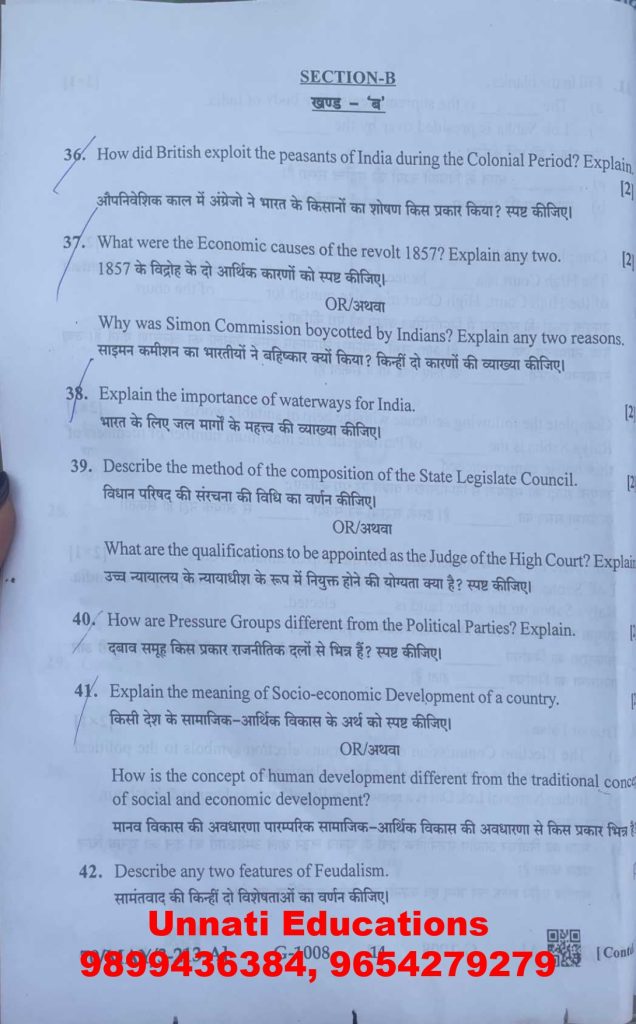
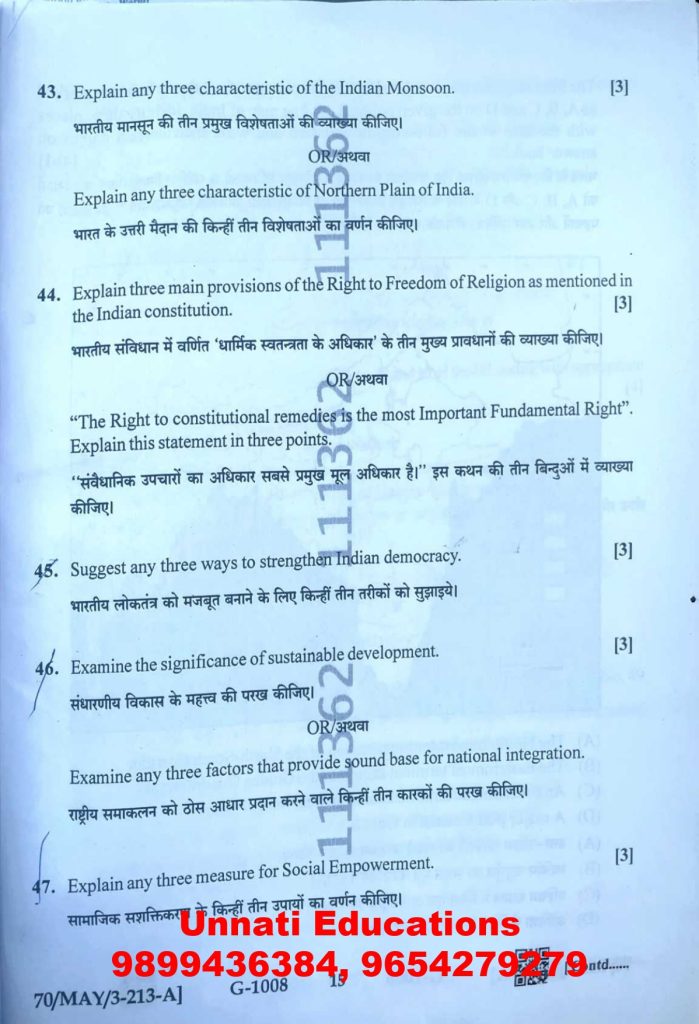
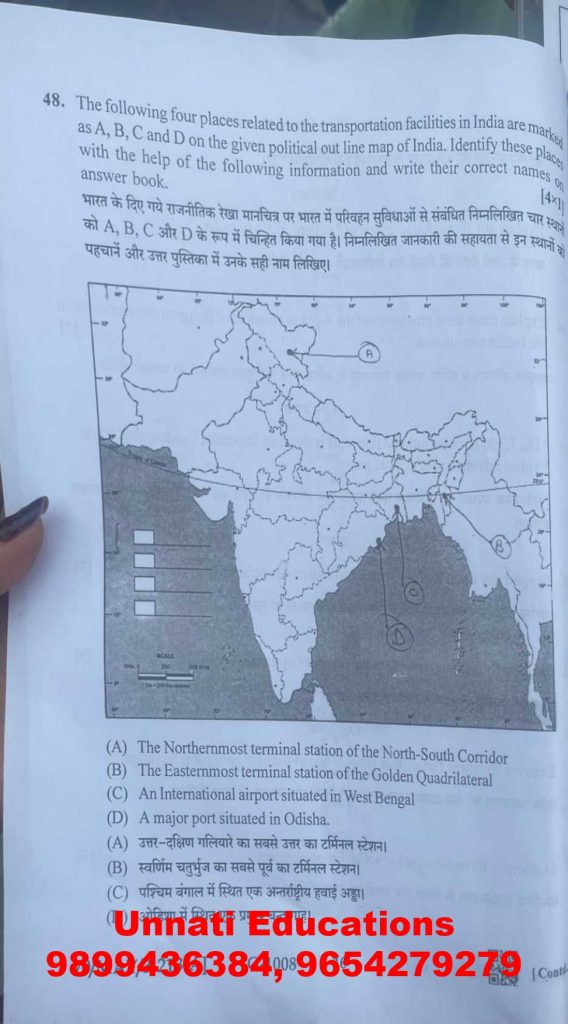
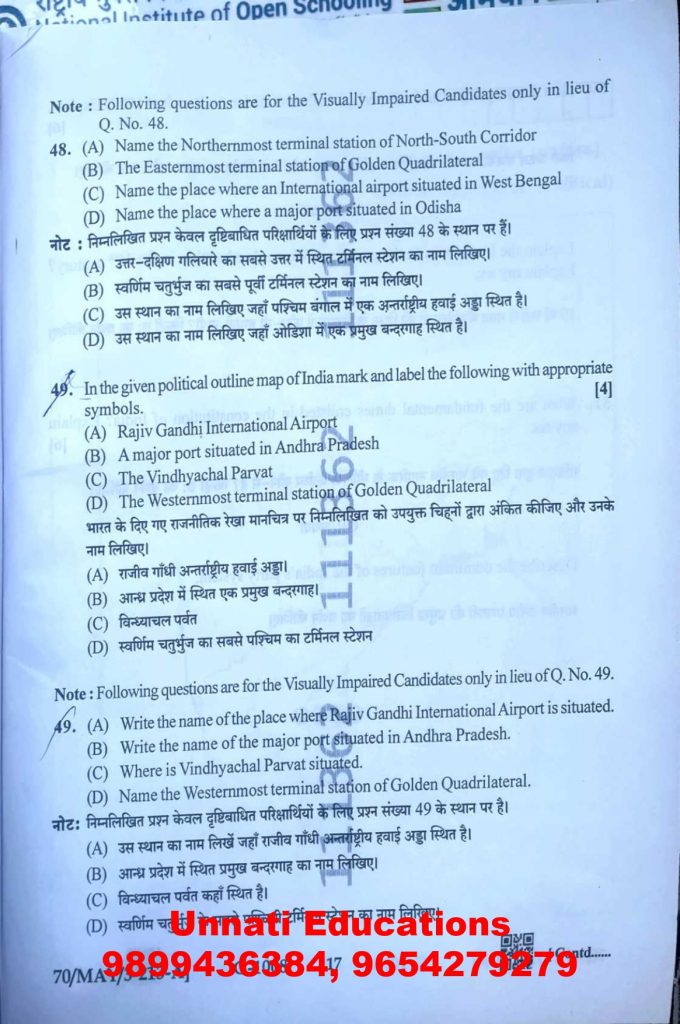
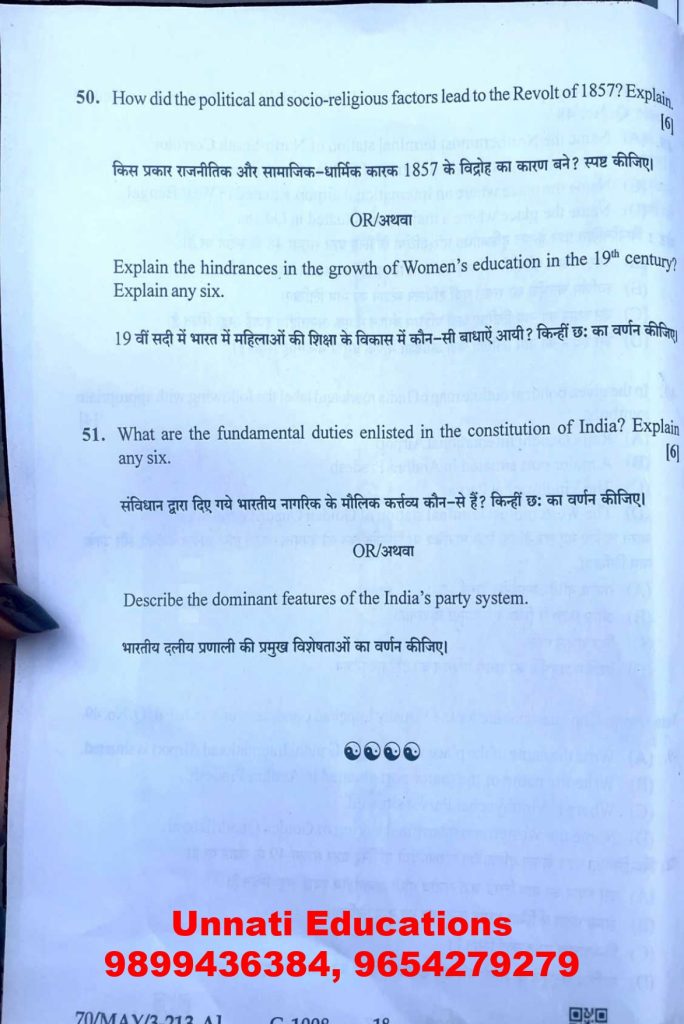
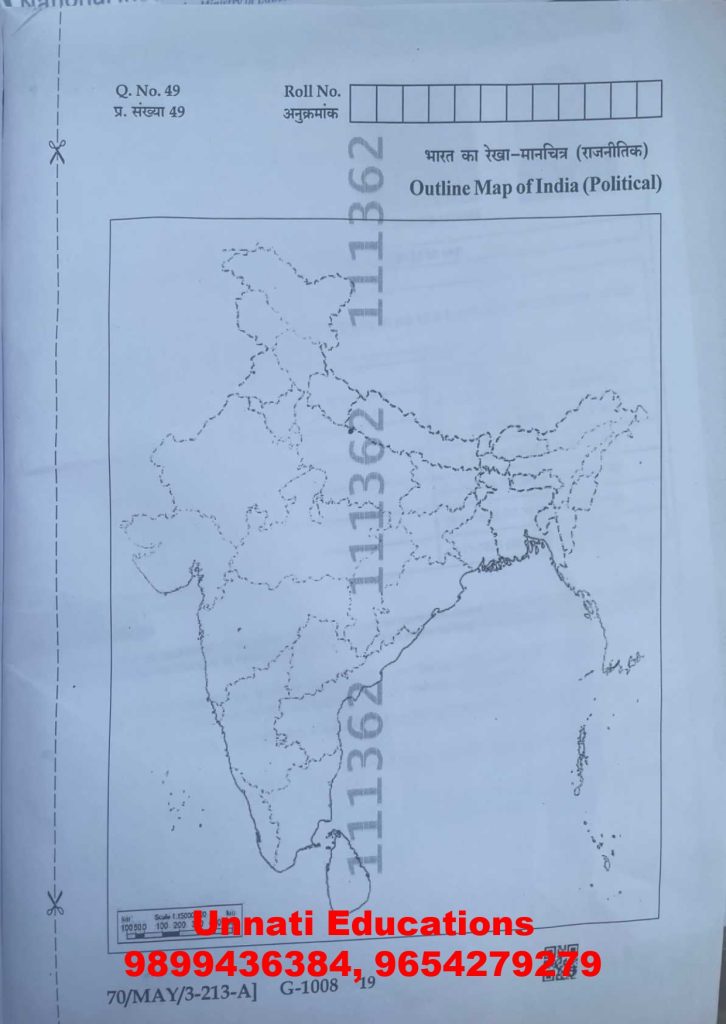
Download Solved Question Paper PDF
NIOS Class 10 Social Science 213 Question Paper Set B October 2025
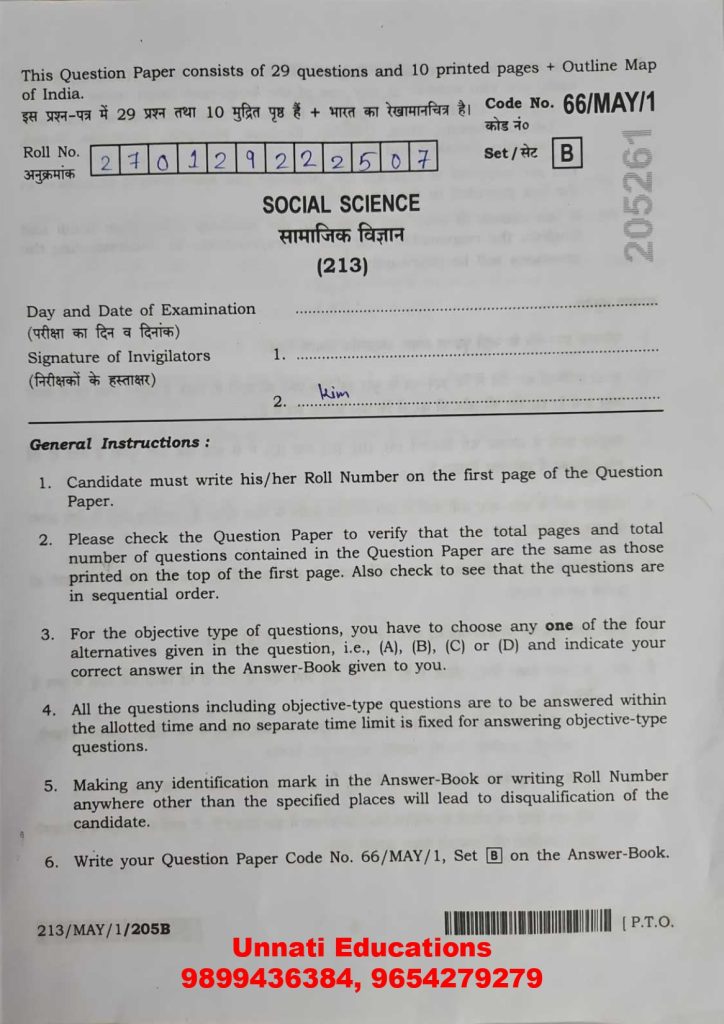
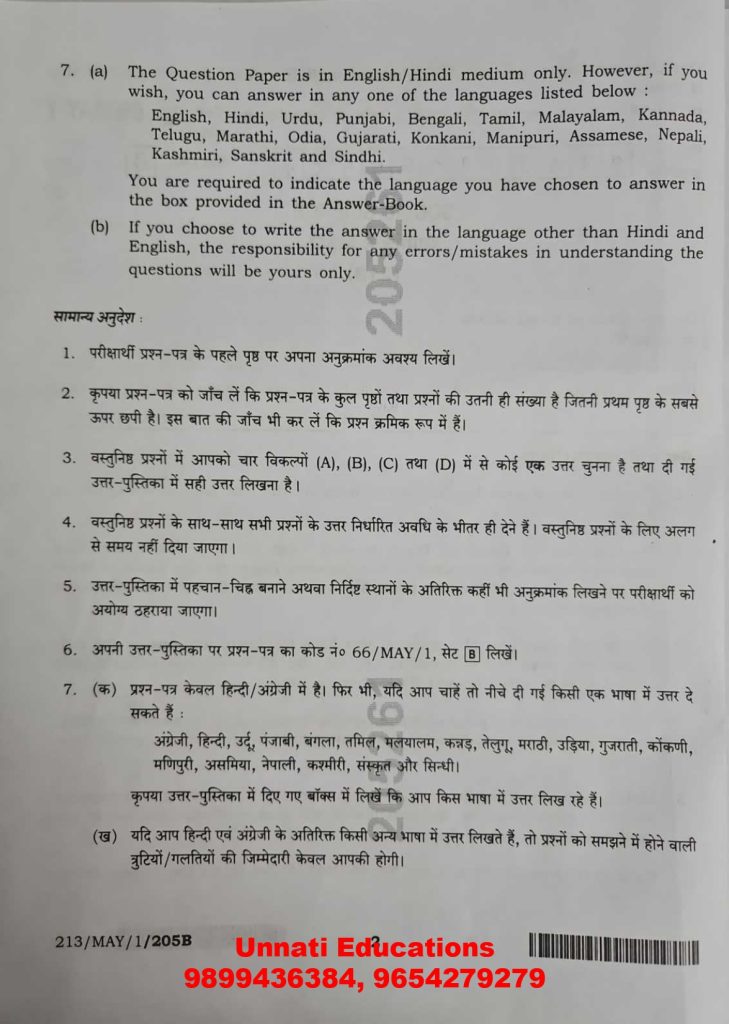
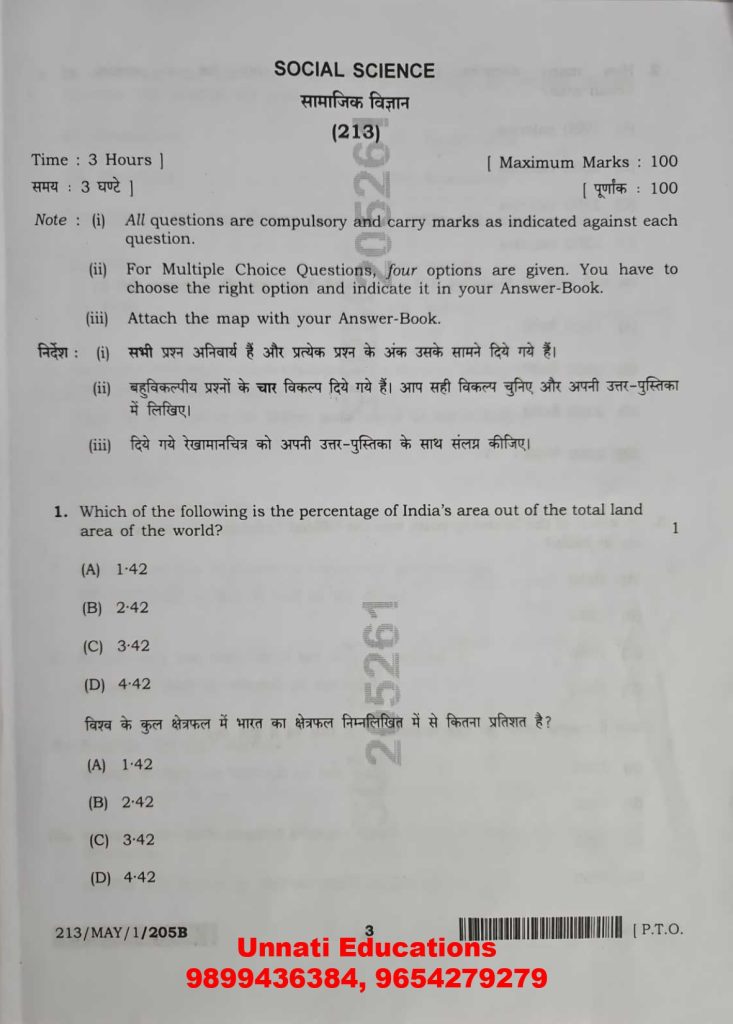
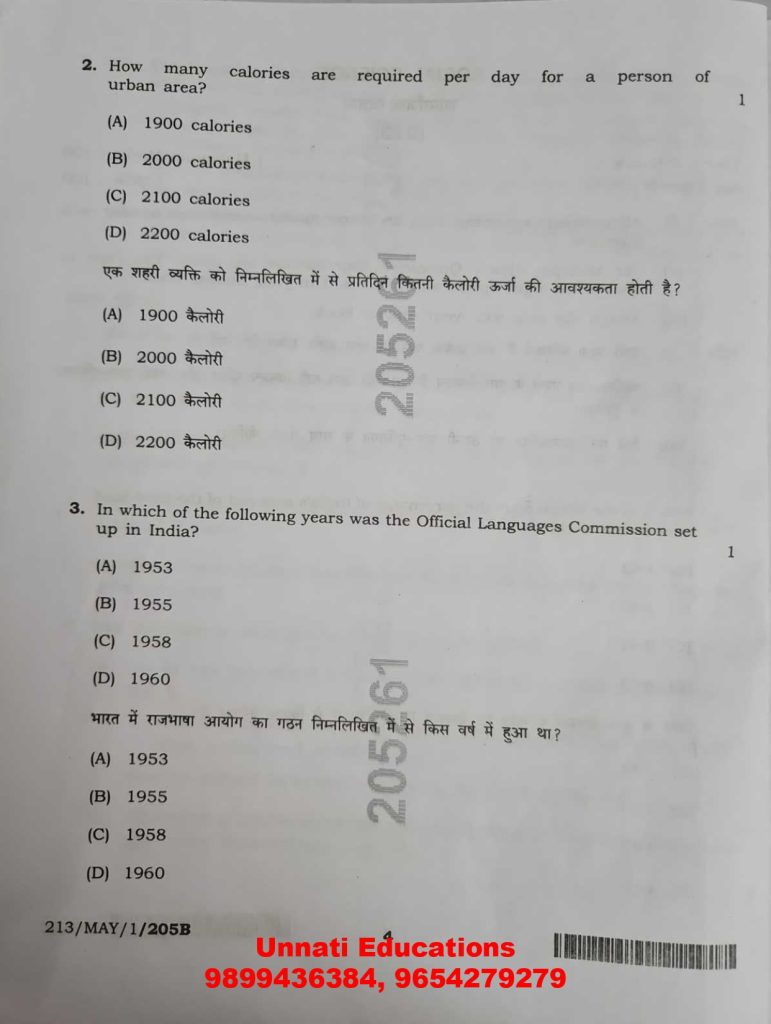
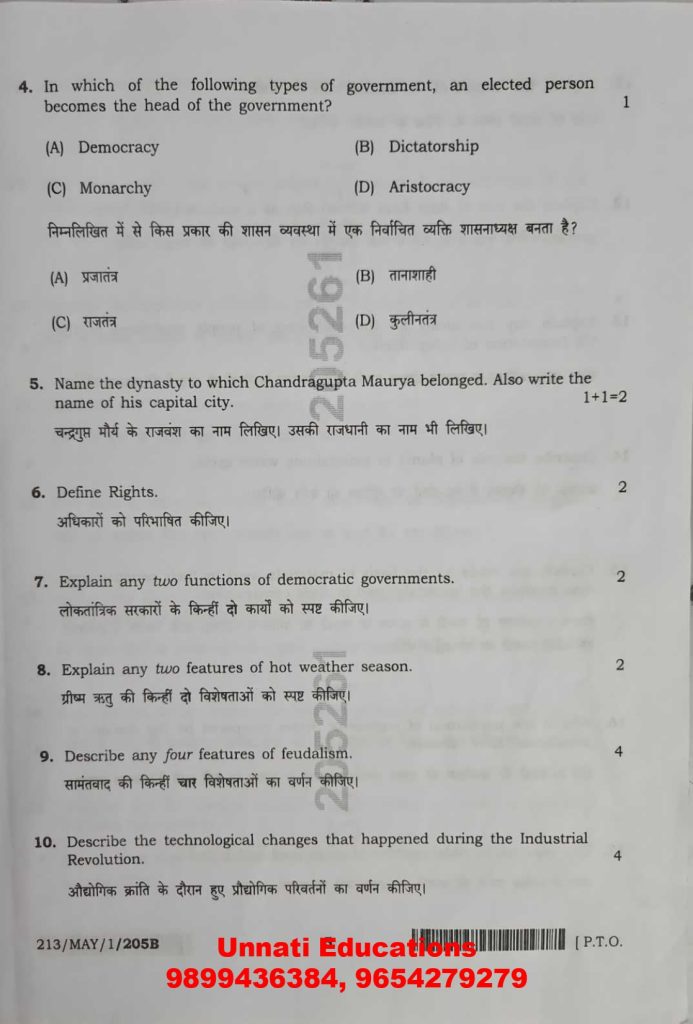
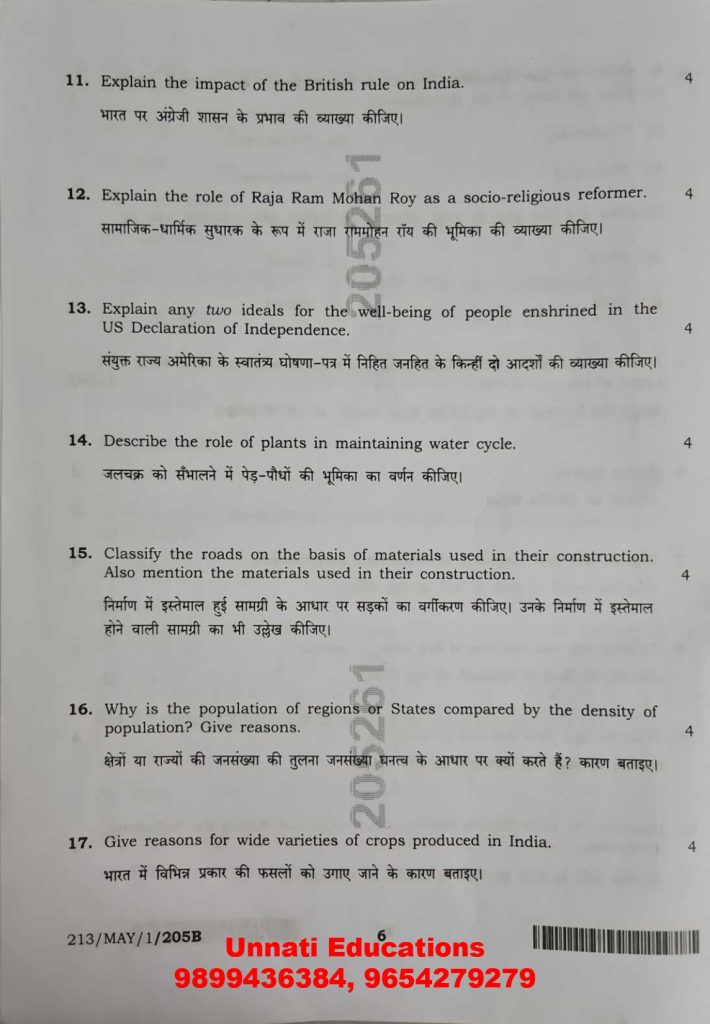
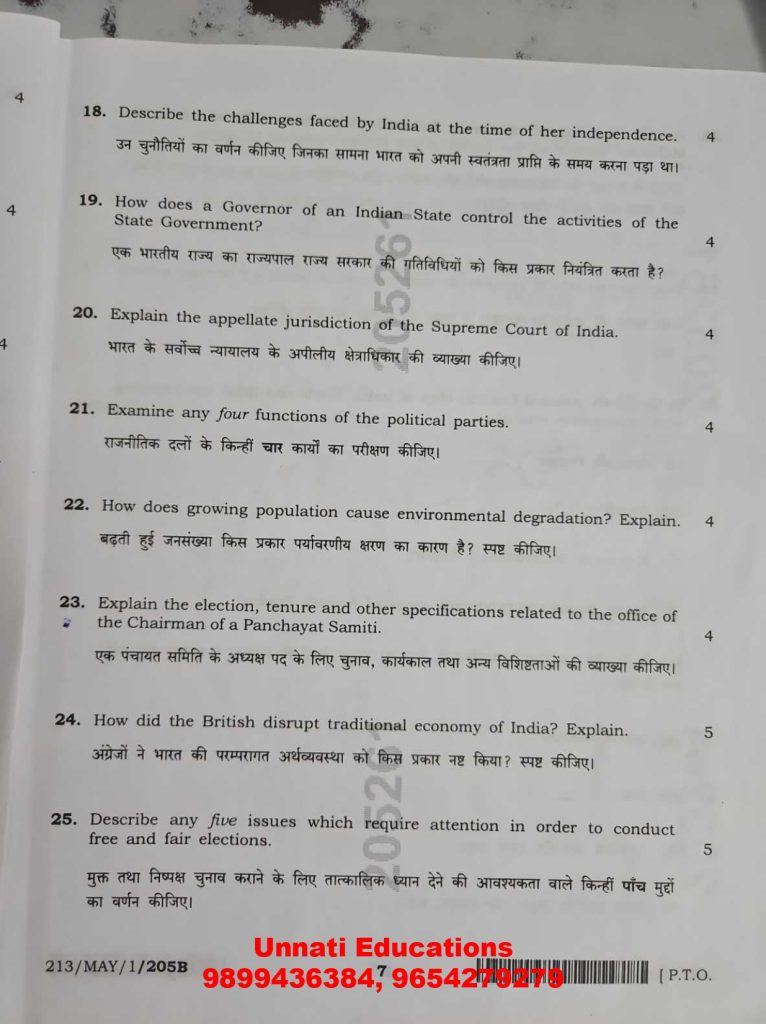
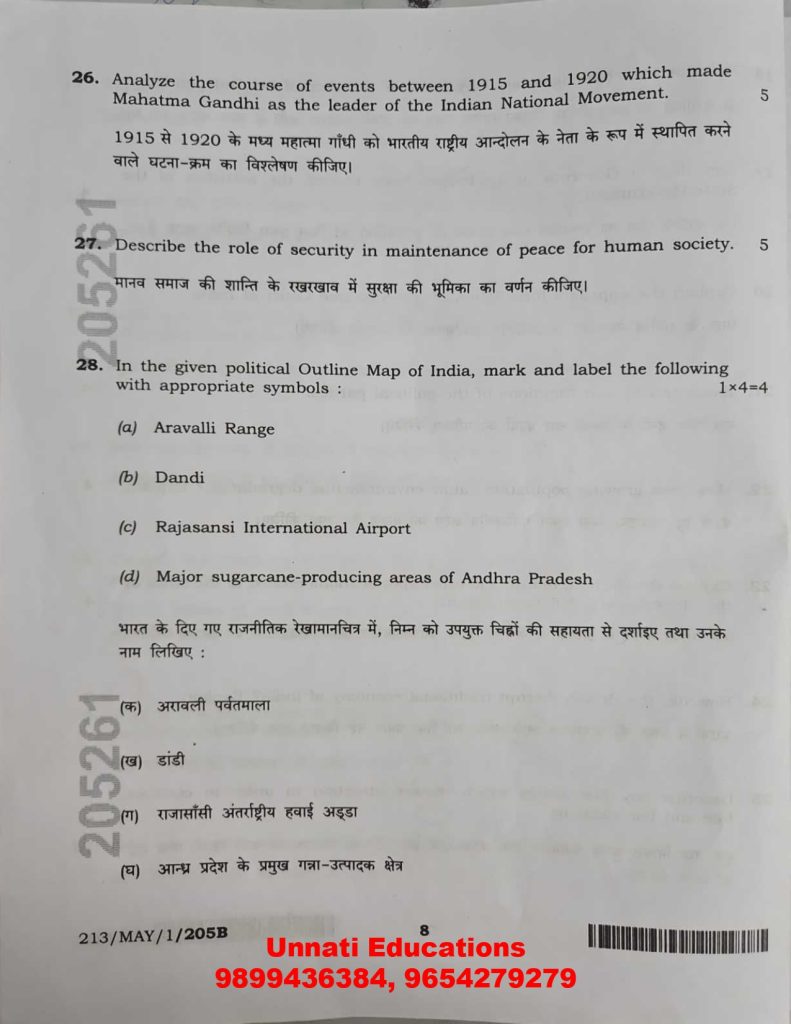
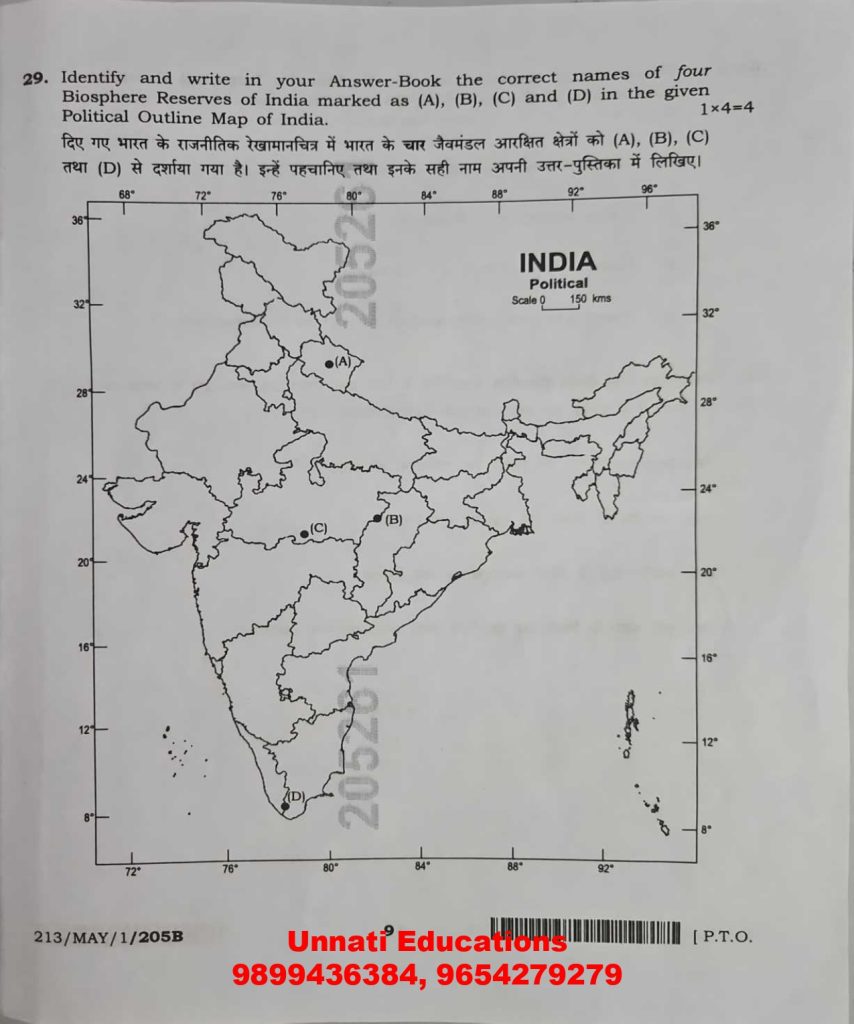
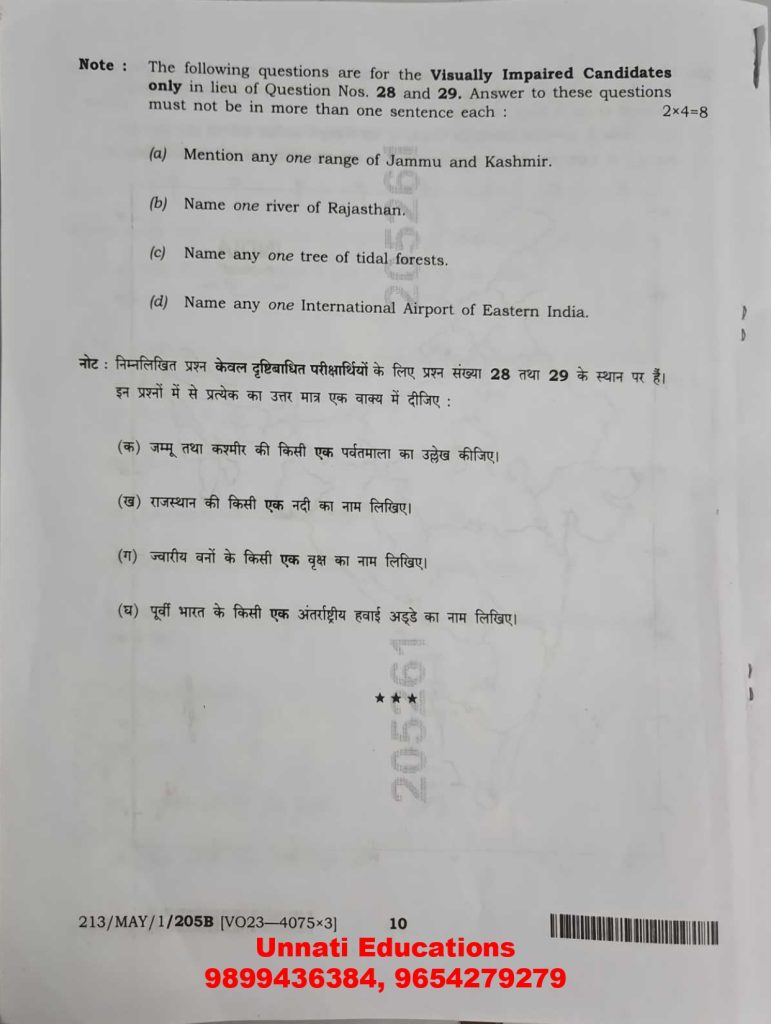
Download Solved Question Paper PDF
Structure of the NIOS Class 10 Social Science Question Paper
The paper is divided into four main sections, and this structure remains identical in both sets.
Overall Exam Structure
| Section | Question Type | Marks Range |
|---|---|---|
| Section A | Objective Type Questions | 1 mark each |
| Section B | Very Short Answer | 2 marks |
| Section C | Short Answer | 4 marks |
| Section D | Long Answer + Map Work | 5 marks |
This structure ensures that every student gets a fair chance, whether they are strong in theory, writing, or map-based questions.
Section A: Objective Type Questions (MCQs)
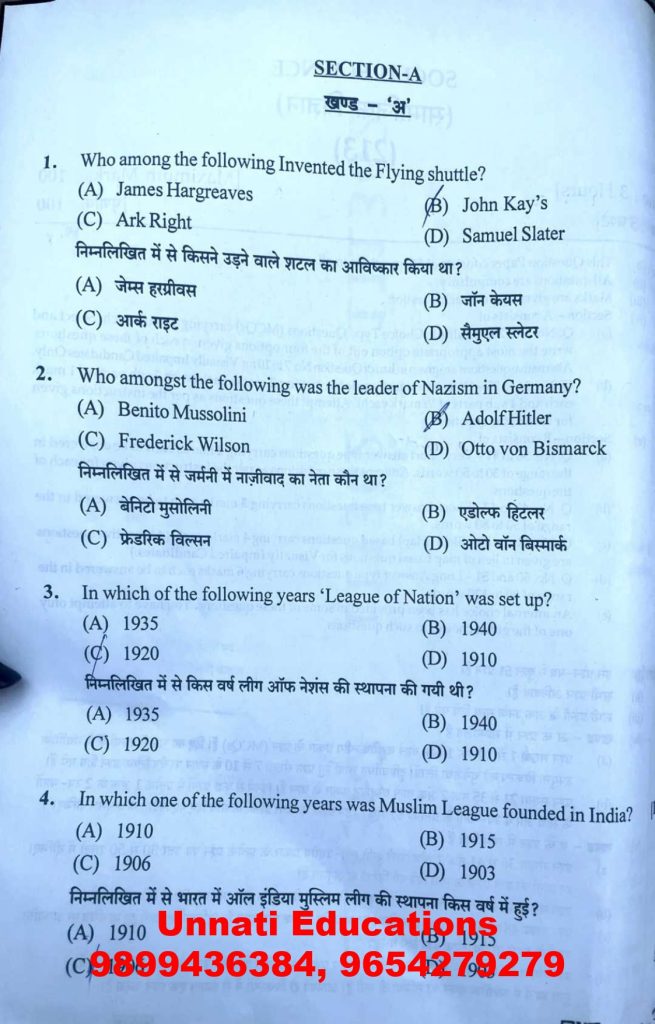
Section A tests basic conceptual clarity. These questions are not tricky but demand precise understanding.
Key Observations from Set A and Set B
- Questions were evenly distributed across History, Geography, Civics, and Economics.
- Options were closely related, making guessing risky.
- Direct textbook lines were rarely used.
- NCERT-style conceptual understanding was essential.
Examples of topics tested include:
- Democracy and types of government
- Population density and nutrition standards
- Historical timelines
- Constitutional concepts
This section clearly rewards students who revise definitions and facts regularly.
Section B: Very Short Answer Questions
Section B focuses on definition-based and explanation-based clarity.
Common Characteristics in Both Sets
- Questions required answers in one or two sentences only
- Writing extra content did not fetch extra marks.
- Precision mattered more than length.
- Most questions were directly from standard NIOS textbook exercises.
Typical areas included:
- Rights and duties
- Climatic features
- Administrative terms
- Economic definitions
Students who practised the NIOS Class 10 TMA answers would feel confident here.
Section C: Short Answer Questions (4 Marks)
This section plays a deciding role in the overall scoring.
What NIOS Tested Here
- Ability to explain concepts with examples
- Logical structure in answers
- Clear headings or point-wise answers
In both Set A and Set B, the questions covered:
- Impact of British rule
- Features of democracy
- Role of natural vegetation
- Political institutions
Marks were awarded for:
- Content relevance
- Correct explanation
- Proper presentation
Students relying only on memorisation struggled here.
Section D: Long Answer Questions and Map Work
This section tests deep understanding and application.
Long Answer Questions
- Questions carried 5 marks each
- Internal choices were provided
- Answers required a structured explanation.
Common themes in both sets:
- National movement and leadership
- Environmental issues
- Electoral process
- Role of institutions
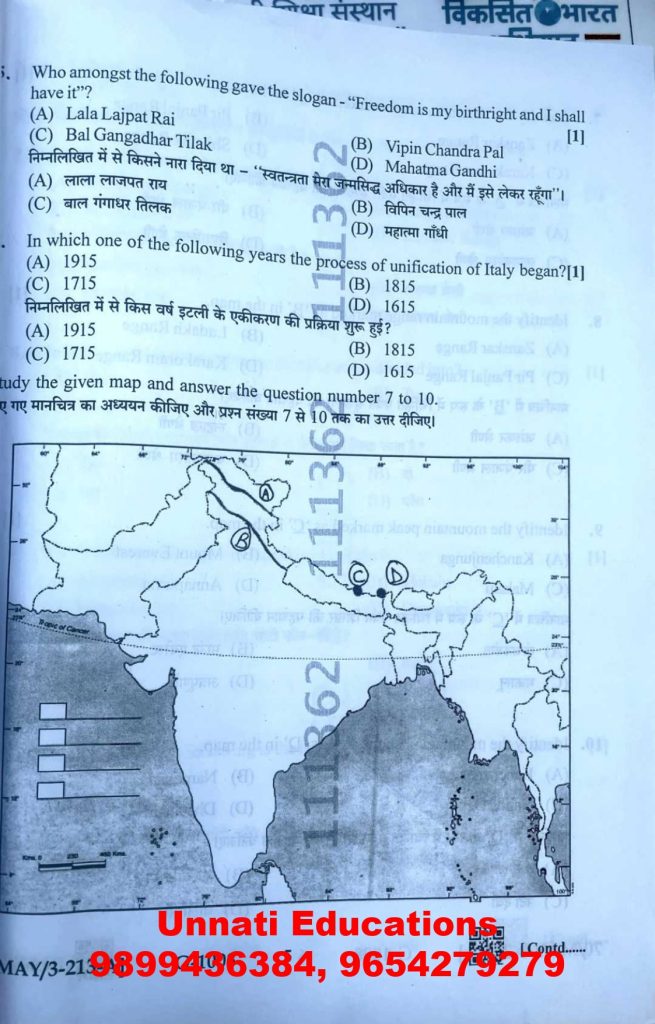
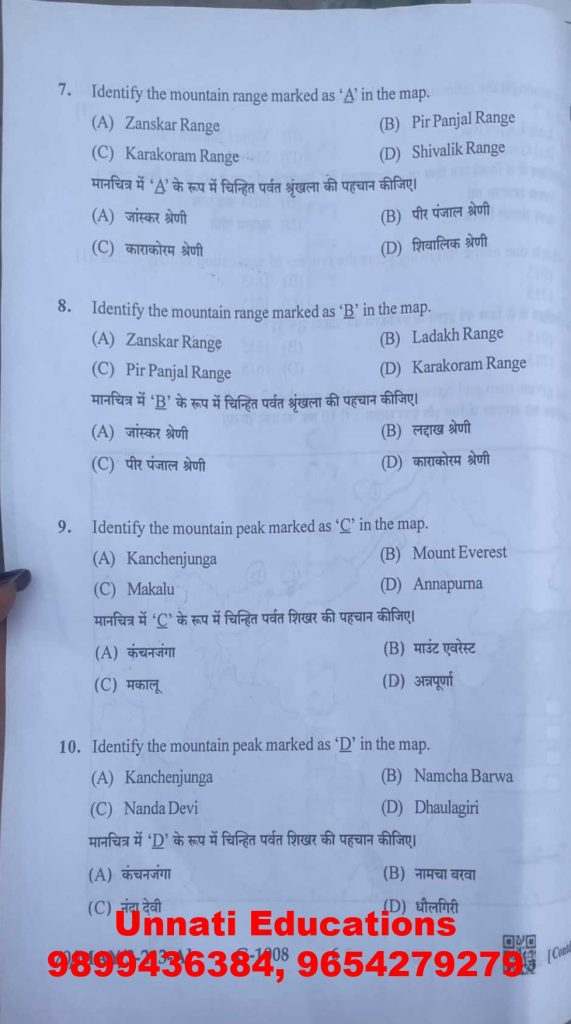
Map Work Section
Map questions were identical in difficulty level across both sets.
Students were asked to:
- Locate physical features
- Mark historical locations
- Identify economic regions
Accuracy and correct labelling were critical for scoring full marks.
Comparison of Set A and Set B: Key Insights
| Aspect | Set A | Set B |
|---|---|---|
| Difficulty Level | Moderate | Moderate |
| Syllabus Coverage | Complete | Complete |
| Question Pattern | Same | Same |
| Map Work | Similar themes | Similar themes |
| Concept Focus | High | High |
The comparison clearly shows that NIOS does not favour any set. Preparation quality matters more than the question paper set.
Subject-wise Distribution Overview
| Subject | Weightage Importance |
|---|---|
| History | High |
| Geography | High |
| Civics | Moderate to High |
| Economics | Moderate |
Balanced preparation across all four subjects is necessary to score well.
History Section Analysis (Set A & Set B)
The History section focused strongly on:
- Indian National Movement
- Colonial impact
- Social reform movements
Questions were analytical rather than factual. Events were connected with causes and effects. Students who revised the NIOS Class 10 previous year question paper patterns would notice repetition in themes, not in questions.
Geography Section Analysis (Set A & Set B)
Geography questions tested:
- Physical features
- Climate and vegetation
- Resources and agriculture
Map-based questions came mainly from:
- Mountain ranges
- Important locations
- Economic regions
Clarity in diagrams and location marking was crucial.
Civics Section Analysis (Set A & Set B)
Civics questions emphasised:
- Democratic institutions
- Constitution of India
- Functions of government
Answers needed to have a logical flow and correct terminology. Overwriting without clarity reduced marks.
Economics Section Analysis (Set A & Set B)
Economics focused on:
- Development indicators
- Population issues
- Employment and resources
Real-life application-based answers were preferred over textbook copying.
Expected Trends for NIOS Class 10 Social Science 213 Question Paper (2026)
After analysing Set A and Set B of October 2025, one thing is very clear: NIOS is not random anymore. The paper is moving towards concept linkage, clarity of expression, and real-life understanding. For 2026, students must stop treating Social Science as a mug-up subject.
Key Trends Observed and Expected to Continue
- Repetition of themes, not repetition of questions, across exam sessions
- Increasing preference for explanation-based answers instead of direct definitions
- Balanced coverage from all four units without over-dependence on one subject
- Map work remaining simple but accuracy-sensitive
- Internal choices are used to test the same concept from two different angles.
This trend strongly suggests that students who only read guides without understanding concepts will struggle.
NIOS Class 10 Social Science Question Paper Weightage 2025 (Set A & Set B Based)
The table below reflects practical weightage, not just syllabus allocation. This is based on actual questions asked.
| Unit | Approximate Weightage | Nature of Questions |
|---|---|---|
| History | 25–28 Marks | Analytical + descriptive |
| Geography | 25–27 Marks | Theory + map-based |
| Civics | 22–25 Marks | Conceptual explanations |
| Economics | 18–22 Marks | Application-based |
For 2026, ignoring any one unit is a guaranteed scoring loss.
Topic-Wise Depth Analysis (What Students Miss)
History: Where Students Lose Marks
Most students know events but fail to:
- Explain why events happened
- Link movements with outcomes
- Write answers in logical sequence.
NIOS does not reward timeline dumping. It rewards cause–and–effect clarity.
Geography: The Silent Scoring Subject
Geography is where average students can become high scorers if they:
- Practice map work regularly
- Learn diagrams and definitions together.
- Avoid vague language like “man, “some, “various.
Map mistakes cost full marks, not partial.
Civics: Language Matters More Than Length
In Civics:
- Wrong terminology = wrong answer
- Mixing political concepts = mark deduction
- Emotional or opinionated answers = zero value
This section rewards clear, textbook-aligned explanations.
Economics: Understanding Over Memory
Economics questions are framed around:
- Daily life examples
- National development indicators
- Population and employment issues
Students who understand concepts score more than those who memorise lines.
Smart Preparation Strategy for NIOS Social Science 213 (2026)
This is where most students fail because they prepare blindly.
Step 1: Stop Reading Everything Daily
Instead:
- Assign fixed days to each unit
- Rotate History–Geography–Civics–Economics weekly.
- Revise, don’t reread
Step 2: Write Answers, Not Just Read Them
NIOS exams are writing exams.
- Practice 2-mark, 4-mark, and 5-mark answers
- Follow point-wise structure
- Avoid paragraph dumping
Students who practice answers from the NIOS TMA Class 10 questions gain a clear advantage.
Step 3: Use Previous Papers Strategically
Do not solve papers like mock tests only. Instead:
- Identify recurring themes
- Observe how questions are framed.
- Note which chapters appear frequently.
Using the NIOS previous year question paper Class 10 patterns helps predict focus areas, not exact questions.
Common Mistakes Seen in October 2025 Answer Sheets
Based on examiner feedback trends and paper design:
- Writing long answers for short questions
- Ignoring internal choices without reading both options
- Poor map labelling technique
- Mixing answers from different units
- Using casual language instead of an academic tone
These mistakes cost easy marks.
How NIOS Checks Social Science Answer Sheets
Understanding this alone can improve scores by 10–15 marks.
NIOS examiners look for:
- Direct relevance to the question
- Clear structure and headings
- Correct terminology
- Neat presentation
They do not look for:
- Fancy language
- Emotional opinions
- Extra pages are filled unnecessarily
Role of Practice Material in Social Science Preparation
Students preparing through Unnati Education benefit because:
- Solutions are aligned with the NIOS checking style
- TMAs follow the marking scheme logic.
- Previous year questions are explained conceptually.
- Notes are simplified without removing meaning.
This approach reduces confusion and improves retention.
Frequently Asked Questions (FAQ)
Is the NIOS Class 10 Social Science 213 Question Paper difficult?
The paper is not difficult, but it is unforgiving for students who rely on rote learning. It tests understanding, clarity, and correct presentation. Students who practice structured answers and revise through NIOS TMA Class 10 patterns usually find the paper manageable and score consistently well.
Are Set A and Set B different in difficulty level?
No, both sets are equally difficult. The difference lies only in the question wording. Core concepts, unit weightage, and marking approach remain identical. Students preparing for the NIOS Class 10 previous year question paper analysis will notice repeating themes across both sets.
How important is map work in Social Science 213?
Map work is extremely important because marks are either full or zero. There is no partial marking for incorrect locations. Regular practice with accuracy is essential, especially when preparing using NIOS TMA Class 10-based exercises and previous maps.
Can I score above 80 in Social Science with average writing skills?
Yes, but only if your concepts are clear and answers are structured properly. NIOS values relevance over language complexity. Students who practice answers from the NIOS Class 10 solved previous year question paper sets usually develop the required clarity and score well.
What should I focus on more for the 2026 exam?
Focus more on understanding concepts rather than memorising lines. Give equal importance to History, Geography, Civics, and Economics. Regular answer writing practice using NIOS TMA Class 10 style questions will help you align with NIOS expectations.
Final Quick Summary: What This Analysis Tells You
The NIOS Class 10 Social Science 213 Question Paper of October 2025 clearly shows that NIOS is rewarding concept clarity, structured answers, and balanced preparation. Both Set A and Set B follow the same logic, making it essential for 2026 students to prepare smartly, not blindly.